
How to Make Pins: A Complete Expert Guide
How to Make Pins may seem simple, but each finished custom enamel pin involves precise engineering, metalwork, color chemistry, mold accuracy, and quality testing. This guide provides a professional-level explanation of the manufacturing workflow—from concept to final packaging—for businesses, designers, and promotional product buyers.
I. Understanding Enamel Pin Types in How to Make Pins
Before producing any pin, a manufacturer must determine the correct construction method. The choice impacts tooling, production steps, lead time, and cost. Below are the main categories and their engineering considerations.
1. Soft Enamel Pins in How to Make Pins
What they are: Soft enamel pins are metal pins where recessed areas are filled with enamel that dries slightly below the level of the metal borders, producing a textured finish with raised metal lines.
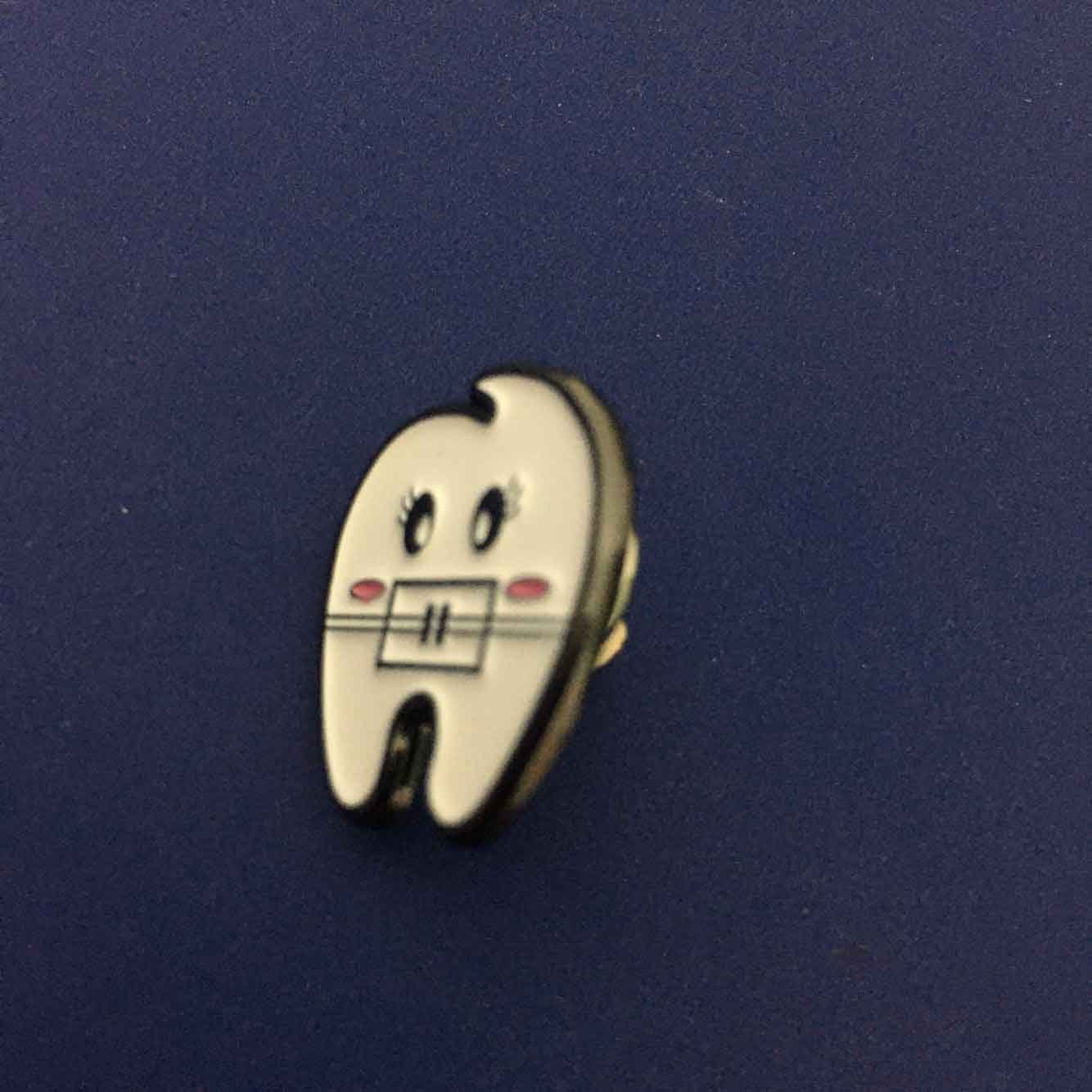
Detailed Process & Engineering Notes for How to Make Pins
- Cell depth and border height: Recessed cells typically 0.25–0.50 mm deep; metal walls at least 0.3 mm wide to prevent bleeding during filling and polishing.
- Enamel viscosity and dispensing: Semi-fluid enamel paste filled using micro-needle dispensers or syringes; viscosity controlled to prevent sagging and air entrapment.
- Curing cycle: Baked at 100–140°C for a short cycle to drive off solvents and cure pigment binder, lower than hard enamel curing.
- Finish and feel: Raised metal lines remain tactile, giving a textured feel. Less polish-sensitive and generally lower cost than hard enamel.
- When to choose: Large promotional runs, lower budgets, textured or antique finishes.
2. Hard Enamel Pins (Cloisonné)
What they are: Hard enamel pins are filled with enamel that is level with the metal surface and polished flat, resulting in a smooth, jewelry-like finish.
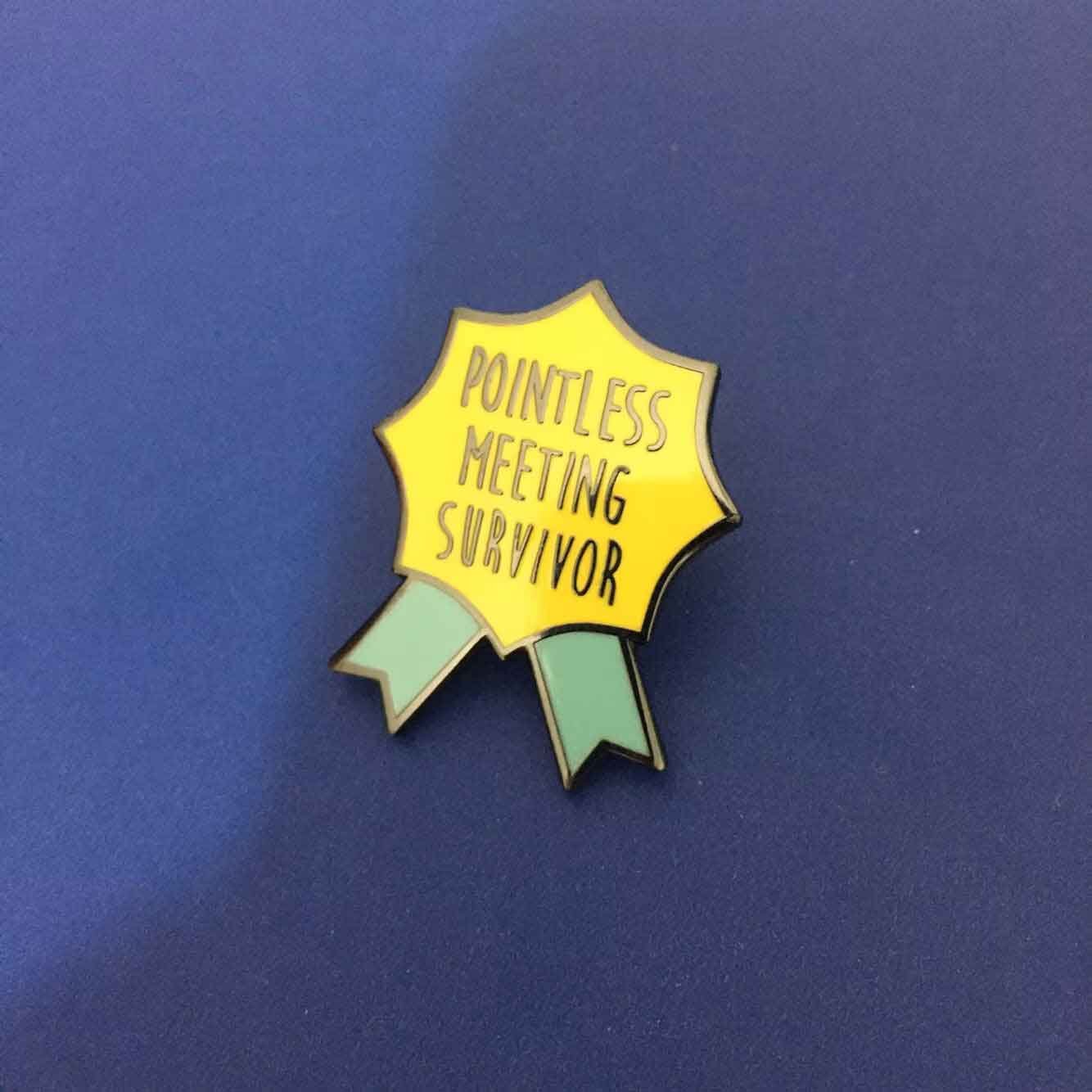
Detailed Process & Engineering Notes
- High-temperature firing: Hard enamel requires kiln firing at 500–800°C (depending on enamel composition). Thermal profiles and ramp rates must be controlled to avoid thermal shock and cracking.
- Multiple fills and polish cycles: Enamel is filled and fired multiple times, then lapped and polished with progressively finer abrasives until metal and enamel are flush.
- Mold and border robustness: Hard enamel needs thicker metal borders (≥0.4 mm) and precise mold engraving to tolerate multiple lapping cycles.
- Durability and appearance: Final finish is highly durable, glossy, and suitable for retail products or premium corporate gifts.
- When to choose: High-end client gifts, retail merchandise, awards.
3. Die-Struck Pins (No Color)
What they are: Die-struck pins are entirely metal with no enamel fill—the design is formed by stamping/pressing metal to create relief and texture.
Detailed Process & Engineering Notes
- Relief depth and metal selection: Die-struck work relies on precise metal deformation; the die must be cut to produce the correct relief. Metal choice (thickness and ductility) determines how much relief can be struck without cracking.
- Surface finishes: Techniques include polishing, satin brushing, antiquing (chemical patination), and selective plating. For antique finishes, a controlled oxidization step is applied then selectively polished.
- Design constraints: Fine text or very thin lines are limited by metal flow; engineers often recommend minimum feature sizes ≥0.5 mm line width.
- When to choose: Commemoratives, military/regalia, vintage-style products.
4. Printed Pins
What they are: Printed pins use CMYK or digital printing applied to a metal or plastic substrate, often sealed with an epoxy dome.
Detailed Process & Engineering Notes
- Color fidelity and resolution: Suitable when photographic detail, gradients, or micro-text are required. Control color profiles (sRGB/CMYK conversions) and ensure print RIP/ICC profiles minimize color shifts.
- Surface protection: Epoxy doming (clear resin) protects the print, adds thickness, and may slightly alter perceived color due to refractive index effects.
- Adhesion and edge control: Pre-treatment (surface etching or priming) ensures printed ink adheres under thermal or handling stress.
- When to choose: Complex graphics, small text, photographic elements.
II. Step-by-Step Manufacturing Process for How to Make Pins
This section expands each step of how to make pins — from art to packaged shipment — including engineering constraints, equipment, QC gates, and practical tips to prevent common issues in pin manufacturing.
1. Artwork Conversion & Engineering Drawing in How to Make Pins
From design to production-ready file for making pins:
- Required files: Vector formats (AI, EPS, PDF with vector paths) are mandatory for creating accurate molds in how to make pins. Raster files (PNG/JPG) can be used for printed pins but must be high resolution (300–600 dpi).
- Engineering sheet contents: A production-ready engineering drawing includes actual size dimensions (in mm), recommended metal thickness, color callouts (Pantone numbers), plating finish, backing style, hole locations (for charms), and any tolerance notes for making pins.
- Feasibility checks: Engineers review the artwork to identify fragile elements (thin bridges, floating islands, tiny text). Adjustments may include increased line widths, supporting anchors, or color simplification to ensure proper pin production.
- Prototype planning: For complex parts, a 3D mockup or CAD preview can be generated. For die-struck pins, 3D relief modeling is often used to check depth and light/shadow behavior in the how to make pins workflow.
- Practical tip for buyers: Provide Pantone references and target uses (retail vs promo) up front—this helps the factory recommend hard vs soft enamel and appropriate plating when learning how to make pins.
2. Mold Making (Die Creation) for How to Make Pins
How molds are produced and why precision matters in how to make pins:
- Machining methods: High-precision molds are made by CNC engraving for general detail, EDM (electrical discharge machining) for deep cavities and tight radii, and chemical etching for simpler flat lines. Each method affects the quality when you make pins.
- Surface finish and micro-geometry: The smoother the mold surface, the cleaner the metal lines and the less post-processing required. Micro-geometries must be accounted for (rounded vs sharp edges), since very sharp features are prone to stress concentration and failure.
- Tolerance control: Typical engraving tolerances are ±0.05 mm; excessive variation can lead to inconsistent enamel cell volumes or unclean metal separation when producing pins.
- Mold life: The expected life of a steel mold depends on machining and material hardness; high-volume clients should use hardened tools or plan for duplicate molds for repeated how to make pins runs.
- Common failure modes: Mold chipping, burr formation, and dimensional drift under heavy press loads. Regular inspection and rework plans reduce scrap rates in pin manufacturing.
3. Stamping or Die-Casting the Metal Base
Choices, mechanics and material behavior:
- Die-stamping: Uses hydraulic or mechanical presses to impress an engraved die into metal sheets (brass, copper, iron). Parameters include press tonnage, ram speed, and blank holder settings to control metal flow and minimize cracking.
- Die-casting: Uses molten zinc or zinc-aluminum alloys for complex 3D forms. Process controls focus on injection pressure, cooling rate, and mold venting to avoid porosity.
- Trimming: After forming, the piece is trimmed to the final profile—precision affects plating coverage and subsequent polishing.
Material selection:
- Brass: Good plating adhesion and polishability—preferred for higher-end pins.
- Zinc alloys: Cost-effective for die-cast 3D shapes, but may present porosity and plating challenges.
Quality checkpoints: Dimensional gauge checks, visual inspection for burrs, and flattening tests ensure parts lie flat for plating.
4. Polishing
Why polishing is more than aesthetics:
- Deburring vs smoothing: Initial polishing removes burrs from trimming, followed by a sequence of abrasives to achieve desired reflectivity or satin textures.
- Sequence control: For hard enamel, initial deburring precedes enamel filling; final polishing is after multiple firings. Soft enamel polishing is lighter to avoid removing raised metal lines.
- Equipment: Tumblers, buffing wheels, and micro-abrasive belts are common. Machines are selected for throughput and media compatibility.
- Best practice: Use progressive grit sizes and monitor temperature build-up to avoid warping thin pins.
5. Electroplating
Chemical and electrical engineering considerations:
- Bath chemistry: Plating baths contain metal salts, complexing agents, pH buffers, brighteners, and wetting agents. Gold plating uses potassium gold cyanide complexes requiring precise control.
- Current density & time: Deposition thickness depends on current density (A/dm²) and time. Too high current causes pitting; too low gives thin coatings.
- Pre-treatment: Degreasing, acid dip, and micro-etch remove oils and oxides. Failure here causes plating spots or peeling.
- Rinse and drying: Proper rinsing prevents cross-contamination between baths and ensures adhesion.
- Testing: Plating thickness measurement (XRF or coulometric methods) ensures minimum specs for corrosion resistance and wear.
6. Enamel Coloring
Color science and physical constraints:
- Soft enamel filling: Applied with micro-needles or syringes into recessed areas. Engineers monitor fill height, viscosity, and surface tension. Additives control wetting and shrinkage during cure.
- Hard enamel layering: Requires sequential fills and kiln firings. Multiple cycles ensure cell fullness. Final lapping removes excess and makes enamel flush.
- Color matching: Pantone matching is non-trivial—pigment batches, firing temperatures, and glaze chemistry influence final hue. Factories maintain color labs and sample libraries.
- Contamination control: Dust and particulates ruin enamel finishes; clean room practices or filtered booths are often used.
- Common defect controls: Use degassed enamel, filtered fills, and inline visual inspection for bubbles or pinholes.
7. Screen Printing or CMYK Printing (Optional)
When print is chosen and how it’s done:
- Substrate prep: Metal surface is primed or coated for ink adhesion. UV-curable inks reduce drying times.
- Registration and dot gain: Printing tiny text requires high registration accuracy; dot gain is calibrated to prevent color shifts.
- Epoxy doming: If used, the dome’s refractive index and thickness can slightly shift perceived color—compensation in the print profile may be necessary.
- Quality QA: Color proofing under controlled lighting (D65) ensures visual match.
8. Back Attachment Installation
Mechanical and durability considerations:
- Attachment methods: Soldering provides robust strength (preferred for tie tacks and heavier pinbacks). Adhesive bonding is used for lighter applications or magnetic attachments.
- Solder quality: Lead-free solder and flux must be compatible with plating layers; overheating during soldering can discolor plating.
- Attachment geometry: Pinback location and angle affect how the pin sits on fabric—engineers ensure center of gravity and orientation for stability.
- Strength testing: Pull tests (measured in Newtons) validate attachment endurance and safety standards.
9. Final Quality Inspection
Multi-stage QC protocols:
- Incoming inspection: Raw material checks for sheet thickness, alloy composition, and plating bath chemistry.
- In-process inspection: After each major step (plating, filling, baking, polishing) samples are taken for visual and instrumented inspection.
- Final inspection: Full visual checks, random adhesion tests, color measurement with spectrophotometers (ΔE), and drop tests simulating shipping.
- Traceability: Batch numbers, inspection reports, and photos logged for each production run help manage recalls or complaints.
- Acceptance criteria: A formal AQL (Acceptance Quality Limit) is often used for large runs (e.g., AQL 1.5% for critical defects).
10. Packaging
Design and logistics engineering:
- Function-driven choices: Retail products require clamshells, printed backers, and UPC labels. Promotional bulk orders often use polybags or simple printed cards.
- Protection engineering: Anti-abrasion inner layers (kraft paper, foam) prevent scratching. Carton strength must be calculated for stacked shipping—ECT-rated cartons are standard.
- Labeling and fulfillment: Multi-location shipments require carton labels and packing lists; barcode scanning ensures pick-and-pack accuracy.
- Sustainability note: Growing demand for recyclable and compostable packaging influences material choices.
III. What Affects the Quality of Custom Pins?
Quality depends on several interacting factors—below each factor is explained with its practical implication.
1. Metal Material Quality
Metals impact finish and durability:
- Brass: Preferred for high-quality plating and polish. Excellent adhesion and less risk of porosity.
- Zinc alloy: Cost-effective for die-cast shapes; easier to cast complex forms but may be more porous and require careful plating prep.
- Iron/steel: Heavier, may require special plating steps to avoid rust.
Recommendation: Choose metal per design needs—brass for premium, zinc for complex 3D cost-effective parts.
2. Mold Sharpness
Precision in the mold translates to precision in the product:
- Sharp molds reproduce fine detail; blunted molds create soft or muddy lines.
- Regular maintenance and re-engraving schedules prevent mold degradation.
3. Plating Thickness
Thicker plating = better wear resistance, but higher cost:
- Minimum thickness standards depend on plating type; gold flash is thin and decorative, nickel plating for robustness is thicker.
- Measurement and specification should be part of the purchase order.
4. Coloring Skill
Color reproduction is an artisanal + technical skill:
- Experienced techs know how firing sequence, pigment ratios, and additives affect final hue and gloss.
- Factories with color labs and Pantone-to-enamel libraries will better match brand colors.
5. Polishing Technique
Polish affects final gloss, feel, and tolerance:
- Over-polishing can remove details; under-polishing leaves rough edges.
- Controlled, documented polishing cycles are best practice.
6. Inspection Standards
Strict standards = consistent product quality:
- A factory with written SOPs, AQL thresholds, and traceable inspection records will deliver more predictably.
IV. Common Problems and How Manufacturers Solve Them
Here we unpack typical defects, root causes, and engineering fixes.
Issue 1: Uneven Color Filling
Root causes: Incorrect enamel viscosity, poor dispensing technique, trapped air, inconsistent cell depth.
- Calibrate dispensing needles and pressure for consistent bead size.
- Use vacuum de-airing and filtered enamel.
- Rework mold depth where needed; use automated filling for high-volume consistency.
Issue 2: Plating Spots
Root causes: Surface contamination (oil), incomplete rinses between baths, or bath contamination.
- Implement multi-stage cleaning (alkaline degrease → acid dip → DI rinse).
- Monitor bath microchemistry and replace contaminated baths.
Issue 3: Soft Enamel Overflow
Root causes: Excessive fill volume or low surface tension.
- Adjust fill volume and needle aperture.
- Use anti-overflow additives or temporary dams in mold design.
- Train operators on fill speed and dwell time.
Issue 4: Mold Blur
Root causes: Worn mold, insufficient hardness, or excessive press tonnage.
- Hardening and regrinding molds at scheduled intervals.
- Tune press tonnage and use proper blank supports.
V. When Should You Choose Soft Enamel vs. Hard Enamel?
Decision factors: durability, budget, tactile expectations, target channel.
- Soft Enamel: Cost-efficient, textured, ideal for mass giveaways and vivid color contrast.
- Hard Enamel: Higher cost, smooth finish, ideal for retail and gift-grade products.
Design compromises: Some designs with extremely fine lines may be better as printed pins rather than enamel.
VI. Conclusion
Understanding how to make pins is essential for designers, brand owners, and promotional product buyers. Although enamel pins are small, every step—from artwork engineering to plating chemistry and final QC—requires precision, materials expertise, and experienced craftsmanship. Buyers who understand these constraints will be better equipped to specify requirements, evaluate suppliers, and get consistent outcomes.
Explore More About Custom Enamel Pins
Now that you know how to make pins, you can see these techniques in action by checking our custom enamel pin products. For more updates, behind-the-scenes videos, and design inspiration, follow us on TikTok at EPG Promo Gifts.